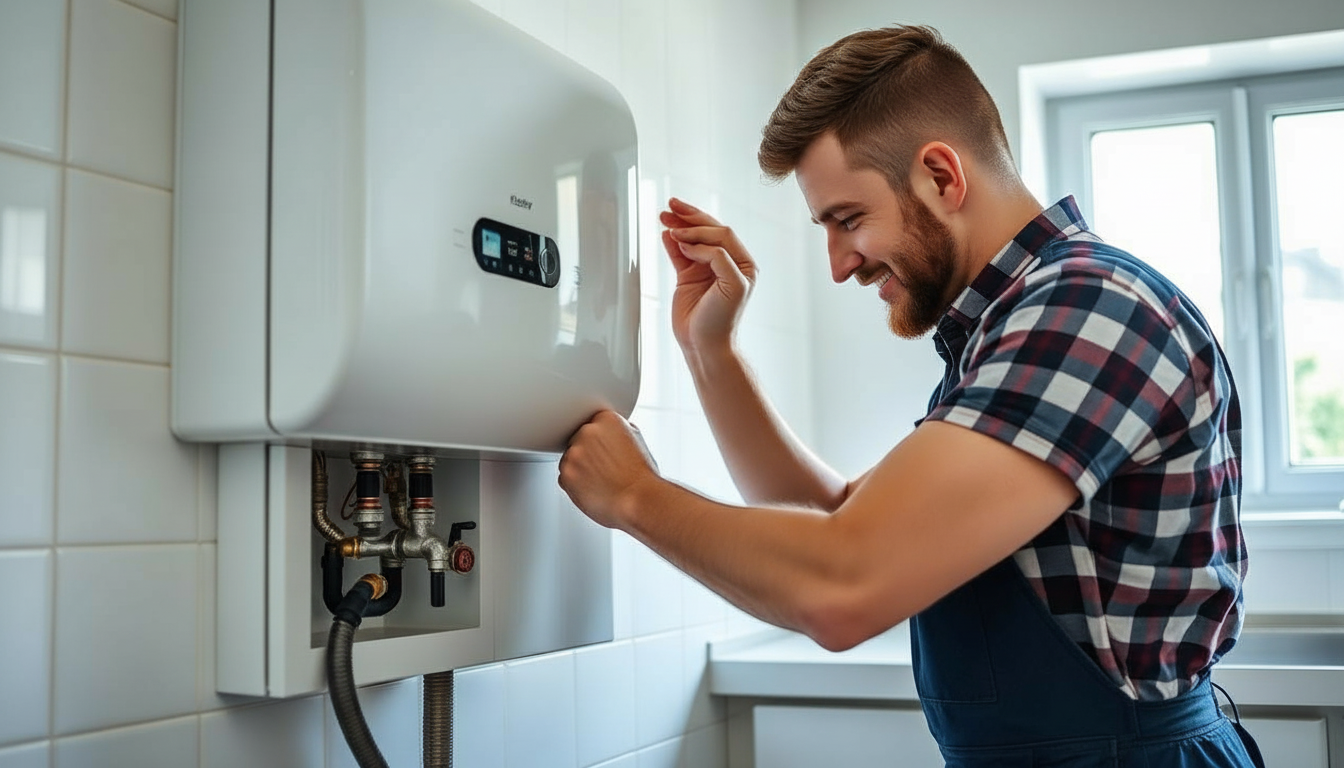
Landlord Gas Safety Certificate Glasgow (CP12)
If you own a rental property in Glasgow, staying on top of your legal obligations isn't just about avoiding fines; it’s about the safety of your tenants. Whether you manage a traditional red sandstone tenement in Shawlands or a modern executive apartment in the West End, a valid landlord gas safety certificate Glasgow is a non-negotiable requirement.
Commonly referred to in the trade as a CP12 glasgow landlords rely on, this document proves that your gas appliances, flues, and pipework have been checked by a qualified gas engineer and are safe to operate.
What is a Landlord Gas Safety Certificate?
Under the Gas Safety (Installation and Use) Regulations 1998, landlords in Scotland are legally required to have all gas appliances in their rental properties checked every 12 months. This applies to all "self-contained" properties as well as HMOs (Houses in Multiple Occupation).
The inspection results in a Landlord Gas Safety Record (LGSR). While many still use the old term "CP12" (short for CORGI Proforma 12), the requirement remains the same: a rigorous inspection of every gas-burning appliance, from the boiler in the kitchen to the gas hob and any focal-point fires in the living room.
What Happens During a Gas Safety Check?
A gas safety check landlord inspection isn't a "quick look" at the boiler. It is a methodical technical assessment. When our qualified engineers visit a Glasgow property, they perform several key tasks:
- Tightness Testing: We check the gas pipework to ensure there are no leaks in the system.
- Appliance Check: Every appliance is checked for gas pressure and flow.
- Flue Inspection: We ensure that combustion gases are being safely exhausted to the outside air. In many Glasgow tenements, flues may run through ceiling voids, which requires specific inspection hatches to be present.
- Ventilation: We verify that the room has adequate air supply for the appliance to burn gas safely.
- Safety Devices: We test that all internal safety cut-outs are functioning correctly.
If an appliance is found to be unsafe, the engineer is duty-bound to "cap it off" and issue a warning notice. This is why we recommend booking your inspection a few weeks before the current certificate expires.
Common Challenges in Glasgow Properties
Glasgow’s housing stock is unique, and this often presents specific challenges during a gas safety inspection:
* Internal Kitchens: Many modern flats in the city centre have "landlocked" kitchens where the boiler flue must travel a long distance to an external wall. If these flues are hidden behind plasterboard without inspection hatches, the engineer cannot technically pass the flue check.
* Old Pipework: In older tenements, gas pipes may have been buried under floorboards for decades. A tightness test will reveal if these old joints are beginning to weep gas.
* Boiler Brands: We frequently see Worcester Bosch, Vaillant, and Ideal boilers across Glasgow. While these are reliable, older "Standard Efficiency" boilers found in rental stock often fail on parts availability or high CO (Carbon Monoxide) readings.
Cost of a CP12 in Glasgow (2025-2026 Estimates)
Pricing for a gas safety inspection depends on the number of appliances. For a standard flat with a boiler and a gas hob, you can expect the following price ranges in the Glasgow area:
* Standard CP12 (1-2 appliances): £70 – £95 + VAT
* HMO Properties: Often slightly higher due to the increased number of appliances or more complex systems.
* Combined CP12 and Boiler Service: £120 – £160 + VAT. This is the most cost-effective route, as servicing the boiler ensures it stays efficient and reduces the risk of a breakdown mid-winter.
Failure to hold a valid certificate can lead to massive fines, issues with your landlord insurance, and even criminal prosecution in the event of an accident.
Gas Safety Compliance Checklist
| Item | Requirement for Landlords |
| :--- | :--- |
| Frequency | Must be renewed every 12 months. |
| Record Keeping | You must keep copies of the certificate for at least 2 years. |
| Tenant Access | New tenants must receive a copy before moving in; current tenants within 28 days of the check. |
| Appliances | Covers all gas appliances owned by the landlord (tenant-owned appliances aren't included, though the pipework is). |
| CO Alarms | Since 2022, Scottish legislation requires long-life lithium battery or mains-powered carbon monoxide alarms in every room with a fixed combustion appliance. |
DIY vs. Professional Inspections
There is no "DIY" option for a gas safety certificate. By law, the inspection must be carried out by a qualified gas engineer who is listed on the official register for gas work.
Homeowners can perform basic maintenance, such as checking that the boiler pressure is between 1 and 1.5 bar or ensuring that external flue terminals aren't blocked by nests or debris. However, only a pro can use a flue gas analyser to check the ratio of Oxygen to Carbon Monoxide.
If you are a landlord and your tenant reports the smell of gas, do not wait for the annual check. Instruct them to turn off the gas at the meter, open windows, and call an emergency engineer immediately.
Scheduling and the "Stay-Safe" Window
You don't have to wait until the exact date your certificate expires. You can have the inspection carried out up to two months before the expiry date while still keeping the original "renewal date." This works much like an MOT for a car, giving you a buffer to fix any issues (like a faulty thermocouple or a blocked flue) without the property falling out of compliance.
Given the Glasgow weather, the busiest months for engineers are October through February. We strongly recommend Glasgow landlords book their inspections in the summer or spring months to ensure parts availability and quicker turnaround times.
Frequently Asked Questions
Does a CP12 cover the gas hob as well as the boiler?
Yes. Every gas-burning appliance provided by the landlord must be tested. If you have a gas hob and a gas boiler, both will be listed on your certificate. If the tenant brings their own gas cooker, the engineer will check the connection and pipework, but the appliance itself is typically the tenant's responsibility.
What happens if I lose my gas safety certificate?
You should contact the engineer or the company that performed the check. Most modern firms, including Glasgow Plumbing & Heating, store digital copies and can re-send the PDF to you or your letting agent immediately.
Do I need a gas safety certificate if the property is empty?
The legal requirement kicks in when the property is "let." However, it is best practice to have a valid certificate in place before any viewings take place and certainly before a tenancy agreement is signed. It also ensures the heating system is safe to run during the winter months to prevent burst pipes while the property is vacant.
To book your annual gas safety inspection or a combined boiler service, contact Glasgow Plumbing & Heating on 0141 674 6666 or visit our /contact page.
Related Articles
Gas Safety Checks: What Glasgow Homeowners Need to Know
Complete guide to gas safety checks in Glasgow, including landlord responsibilities, what's checked, and why annual inspections are essential.
Gas Engineer vs Plumber: What is the Difference?
Understand when you need a gas engineer vs a plumber for your Glasgow home.
Landlord Gas Safety Certificates 2026: Glasgow Guide
Everything Glasgow landlords need to know about CP12 gas safety certificates, deadlines, and what we check on inspection.
Need Expert Help?
Our Gas Safe & NICEIC approved engineers are available 24/7 for emergencies and can usually attend routine work within 24-48 hours.